The Science Behind Fermentation
Discover the fascinating microbiology that makes fermentation possible
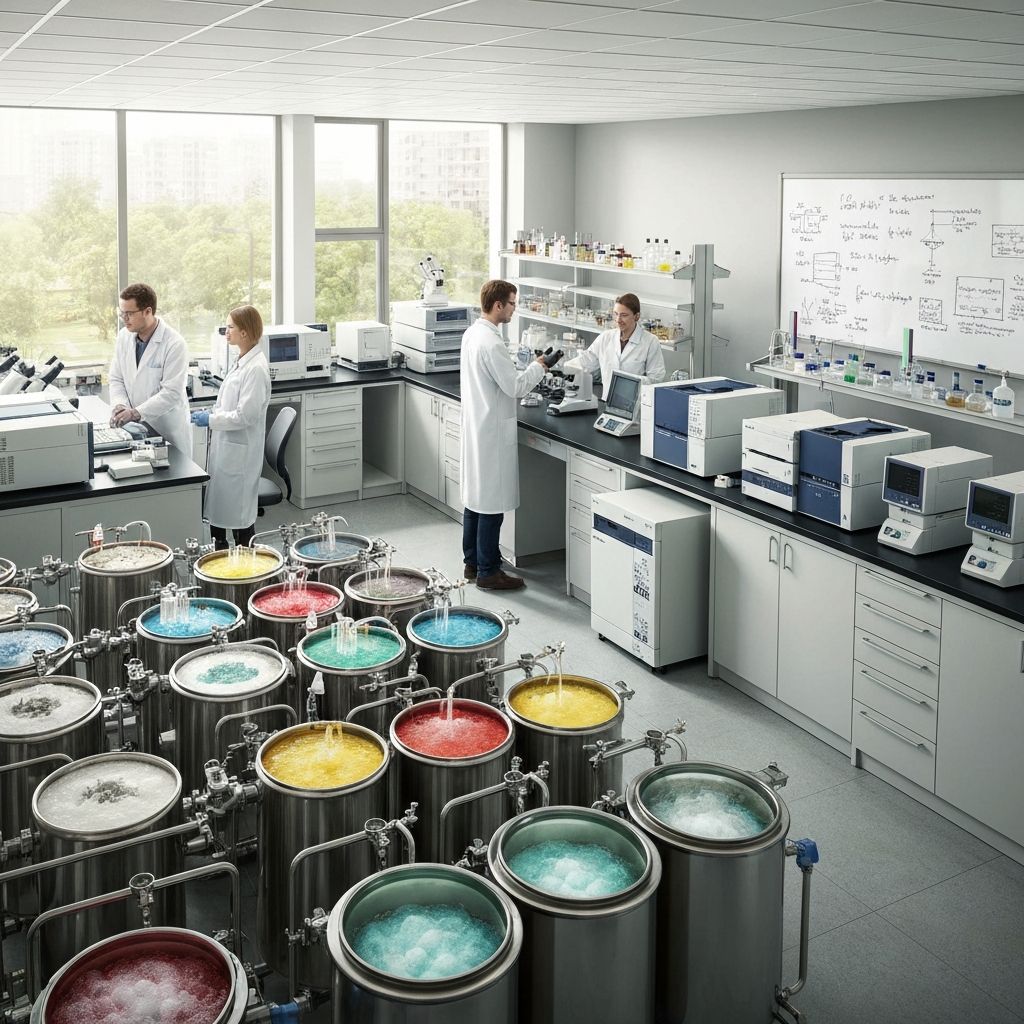
Fermentation is one of the oldest and most fascinating biological processes known to humanity. At its core, fermentation is the metabolic process by which microorganisms—primarily bacteria and yeasts—convert sugars into other compounds like alcohol, acids, and gases.
The magic of fermentation lies in anaerobic respiration. When microorganisms are deprived of oxygen, they switch to fermentation as an alternative energy-producing pathway. This process has been harnessed by humans for thousands of years to preserve food, create beverages, and enhance flavors.
In kombucha brewing, for example, a symbiotic culture of bacteria and yeast (SCOBY) works together to transform sweet tea into a tangy, probiotic-rich beverage. The yeast converts sugars into alcohol, while acetobacter bacteria convert that alcohol into acetic acid, giving kombucha its characteristic sourness.
Understanding the science behind fermentation allows home brewers to better control their ferments. Temperature, pH levels, sugar content, and oxygen exposure all play crucial roles in determining the final product. By manipulating these variables, you can create consistent, delicious fermented foods and beverages.
Recent research has also highlighted the health benefits of fermented foods. The probiotics produced during fermentation support gut health, improve digestion, and may even boost immune function. The fermentation process also increases the bioavailability of certain nutrients, making them easier for our bodies to absorb.
Dr. Sarah Mitchell
Fermentation Expert & Writer